Twin Cities
- Kielce, Poland
- Panevėžys, Lithuania
- Karlsruhe, Germany
- Nancy, France
- Münster, Germany
- Helsingborg, Sweden
- Ventspils, Latvia
- Dijon, France
- Boulder, USA
- Lublin, Poland
- Peterborough, United Kingdom
- Birmingham, USA
- Bursa, Turkey
- Bat Yam, Israel
- Vinica, North Macedonia
- Rustavi, Georgia

Name: Kielce
Country: Poland
Date of signing the agreement: 19.03.1994
Type of agreement: twinning agreement
Website: kielce.eu
Kielce is a city in central Poland with more than 200 thousand inhabitants. It is also the capital city of the Świętokrzyskie Province (Holy Cross Voivodeship) since 1999, previously in Kielce Voivodeship (1919–1939, 1945–1998). The city is located in the middle of the Świętokrzyskie Mountains (Holy Cross Mountains), at the banks of Silnica River. Once an important centre of limestone mining, Kielce is now a centre of trade and commerce.
Kielce, the city located in the heart of the Świętokrzyskie (Holy Cross) Mountains is the main centre of business and tourism for the Świętokrzyskie Province. The town is also a centre of the building industry with a long tradition, a cultural centre, and a spot where there are many geological peculiarities. Within the boundaries of Kielce there are as many as 5 nature reserves. Favourable geographic location, road network and the vicinity of the country’s biggest conurbations make it a good place to invest your capital as well as to take a rest. Cycle tracks, many ski lifts, horse riding centres, picturesque hiking routes provide unforgettable experiences to the tourists. The city is also an important centre for fairs and exhibitions. Kielce Trade Fairs, which organize nearly 30 specialized events, often connected with conferences and displays, which creates perfect opportunities to initiate business contacts. Kielce is friendly to business people. Many of them have decided to invest their money just here. Brokerage houses, adviser’s offices, a few dozen banks and financial institutions assure efficient consulting and financial services.

Name: Panevėžys
Country: Lithuania
Date of signing the agreement: 16.02.2015
Type of agreement: twinning agreement
Website: panevezys.lt
Panevėžys, the capital of Aukštaitija Ethnographic Region, has been the fifth largest city in Lithuania for more than a century. It occupies 50 square kilometers with more than 107 000 thousand inhabitants, the majority of whom (96 per cent) are Lithuanians. The rest are Russian, Ukrainian, Polish, Byelorussian, Jewish people.
Panevėžys is situated in the middle of Lithuania; it is halfway between two Baltic capitals – Vilnius and Riga. The city lies in a good geographical position, which plays a major role in communication with other Lithuanian cities and the city of Kaliningrad (Russia). The Via Baltica highway runs through the city and connects it to many Scandinavian and West European countries.
Panevėžys is a member of the Union of the Baltic Cities. It has 11 partner towns abroad: Lünen (Germany), Goes (the Netherlands), Kalmar (Sweden), Lublin (Poland), Kolding (Denmark), Mytishi and Kaliningrad (Russia), Gabrovo (Bulgaria), Rakvere (Estonia), Daugavpils (Latvia), Vinnytsia (Ukraine). Friendly contacts have been established with Chengdu (China), Ivano-Frankivsk (Ukraine), Szarvas (Hungary), Ramla (Israel), Ozurgeti (Georgia), Lecce (Italy) and Ferizaj (Kosovo).
Panevėžys lies on the banks of the river Nevėžis, the sixth longest river in Lithuania. The river gave its name to the city itself. Senvagė (the Old River Bed) is considered the symbol of Panevėžys and is a famous place for leisure time and festivals.
It boasts of Laisvės Square where modern ideas intertwine with old ones, Respublikos Street famous for its art galleries.
Panevėžys has a reputation for being a clean, cosy and green city. At the same time, it is an important industrial spot. Over 30 000 people work in the companies of Panevėžys. The production made in these companies makes 70% of the value of all city gross domestic product. Currently the city hosts major Lithuanian companies: Joint Stock Company LinasAgro, Construction Company STATYBOS TRESTAS, Road Construction Company PANEVĖŽIO KELIAI, Company AMILINA, Energy Company PANEVĖŽIO ENERGIJA.Every year direct foreign investments into the companies of Panevėžys increase. Norwegian Industrial park, the only in Lithuania is functioning in Panevėžys. The Municipality of Panevėžys provides favourable conditions for starting businessmen and for huge investors.
Some people think of Panevėžys as the city of Juozas Miltinis Drama Theatre, some – as the city of the world famous International Ceramic Symposia; others as the capital of cycling and Ultra Triathlon where world champions Diana Žiliūtė, Edita Pučinskaitė, Simona Krupeckaitė and Vidmantas Urbonas were brought up.
Panevėžys artists, such as actor Donatas Banionis and photographer Algimantas Aleksandravičius make their city known in the world. The city is also famous as the home of the Chamber Orchestra, the Folk Dance Group Grandinelė and young pianists.
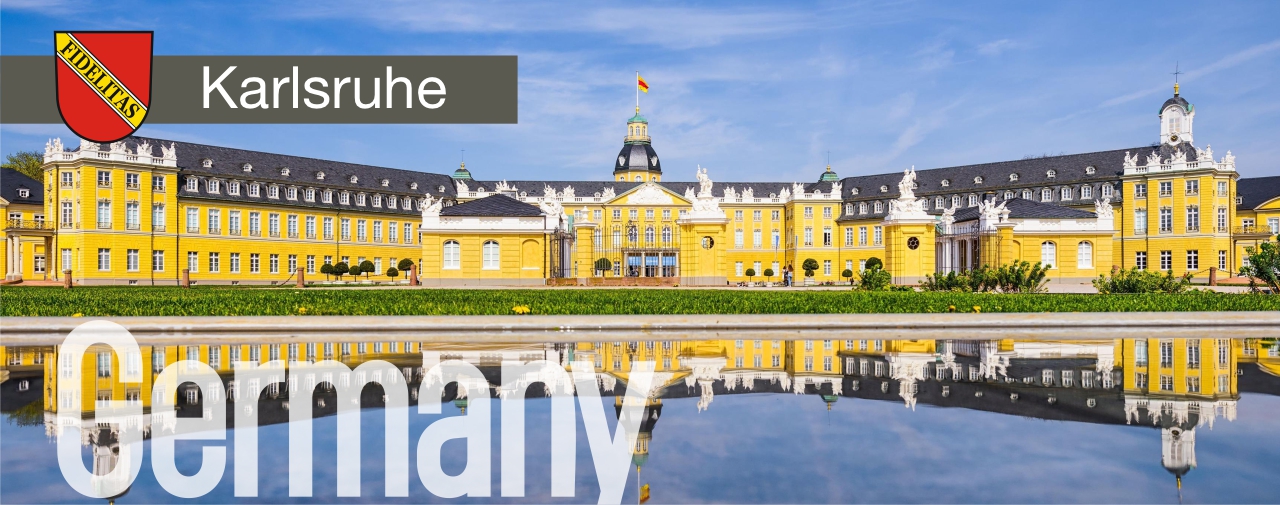
Name: Karlsruhe
Country: Germany
Date of signing the agreement: 21.04.2023
Type of agreement: twinning agreement
Website: karlsruhe.de
Karlsruhe is a city in Germany, located in Baden-Württemberg, in the southwest of the country. It is a city of about 308 thousand people with a rich history and cultural heritage. It is also famous for its developed transport and electrical engineering, oil refining, metalworking, chemical, printing, and food industries. It is also worth noting that Karlsruhe is the second largest river port in Germany and has the country's largest oil refinery. The city has many architectural landmarks and a well-developed tourism industry.
The city is also an important scientific center, as it is home to the University of Karlsruhe and the Leopoldshafen Nuclear Research Center. The university is the oldest technical higher education institution in Germany and is known for its high achievements in mechanical engineering, computer science, and electrical engineering.
Cultural and artistic institutions such as the State Academy of Fine Arts, the Baden State Museum, the State Art Gallery and the Zentrum für Kunst und Medientechnologie (ZKM) multimedia art museum are also located in Karlsruhe. In addition, the first International Congress of Chemists was held in Karlsruhe in 1860, where clear formulations of the atom and molecule were first defined.
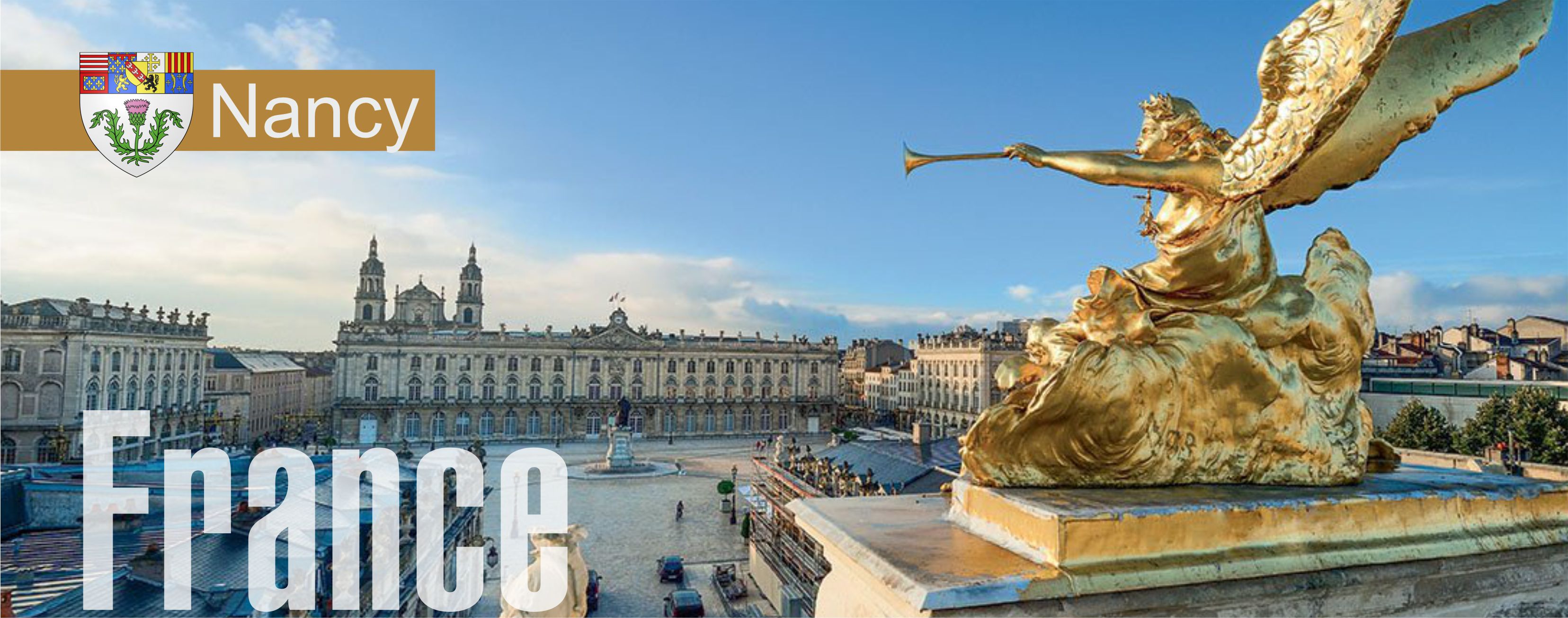
Name: Nancy
Country: France
Date of signing the agreement: 9.12.2023
Type of agreement: twinning agreement
Website: nancy.fr
Nancy is a historic city in eastern France, located on the Meurthe River and the Marne-Rhine Canal. It dates back to the 11th century, when a fortress was built here, around which a settlement was founded. In 1736-1766, Nancy was the residence of the Polish king Stanisław Leszczyński, who, after being expelled from the country, settled here with his wife Katarzyna Opalińska. Because he gave his daughter Maria to the French King Louis XV, the King appointed him Duke of Lorraine. The city flourished most during the reign of Stanisław Leszczyński in 1737-1766. Despite the fact that he did not have much political power himself, he was considered an enlightened and kind ruler among his subjects, earning him the nickname of the king's benefactor. He became famous as a patron of the arts and sciences. He initiated the construction of the baroque church Notre Dame de Bon Secours and the construction of Stanisław Square, where a monument to him was unveiled in 1831 in recognition of his services. The king also founded the Leszczyński Academy.
The current architectural and urban planning was created by the ruler. There are 3 squares: Place Stanislas, Place de la Carrière, and Place d'Alliance, all of which are on the UNESCO World Heritage List. The main square serves as a link between the old and the new city. There is a statue of Stanisław Leszczyński, the town hall, the opera and theater building, 2 fountains and a triumphal arch in honor of Louis XV, which was modeled after the famous Arch of Septimius Severus in Rome. Each corner of the square is decorated with rococo bars, richly decorated with gold. Near the square is the church of Notre Dame de Bon Secours, where many celebrities rest: Stanisław Leszczyński and his wife Katarzyna Opalińska, Franciszek Maksymilian Ossoliński, and the heart of the Queen of France, Maria Leszczyńska. Also worth seeing is the medieval Old Town, located along Grand Street. It is worth visiting the Museum of Fine Arts (Musée des beaux-arts), which has an extremely rich collection of paintings from the XIV century to the present day. In the late nineteenth century, artists representing the so-called Ecole de Nancy created the first modern trend of applied art. The new architectural style complements the legacy left by René II, Charles IV, and Stanisław.
Modern Nancy is an academic city dominated by the University of Lorraine. It offers almost 52,000 students a full range of studies in all disciplines. Studies are linked to high-level scientific research in various fields and, when necessary, use specialized skills in high-tech facilities and infrastructure.
International students have the opportunity to spend one or more semesters at the University of Lorraine through a variety of exchange programs. They are also invited to apply for one of the international study programs where all or some courses are taught in English.
The presence of students makes the life of the university districts and the entire city more dynamic. In addition to the many university research projects in history, literature, and medicine, the city's economic development is supported by the latest information exchange technologies. Linking the city's development to technological advances and supporting innovation is a deliberate course of action in Nancy.
Nancy has numerous cultural, social, and sporting organizations that set the tone for the city's life. The city of Nancy is active in the following local government organizations: Cités Unies France (CUF), which supports decentralized cooperation between national and foreign governments, the Association of French Consular Committees and Regions of Europe (AFCCRE), the French section of the Council of Municipalities and Regions, and the Eurocities city associations. The mayor is also the chairman of the city council.
When visiting Nancy, try the local specialties: Quiche Lorraine - Lorraine tarte, Pate Lorrain - Lorraine pate, or rum pie. Nancy is famous for its Mirabelle plums, and various preserves and spirits are produced from these popular plums. The famous footballer Michele Platini is associated with the city of Nancy. Every year, a big parade is held in Nancy - the Festival of St. Nicholas. There is a legend associated with this saint about how St. Nicholas resurrected murdered children.
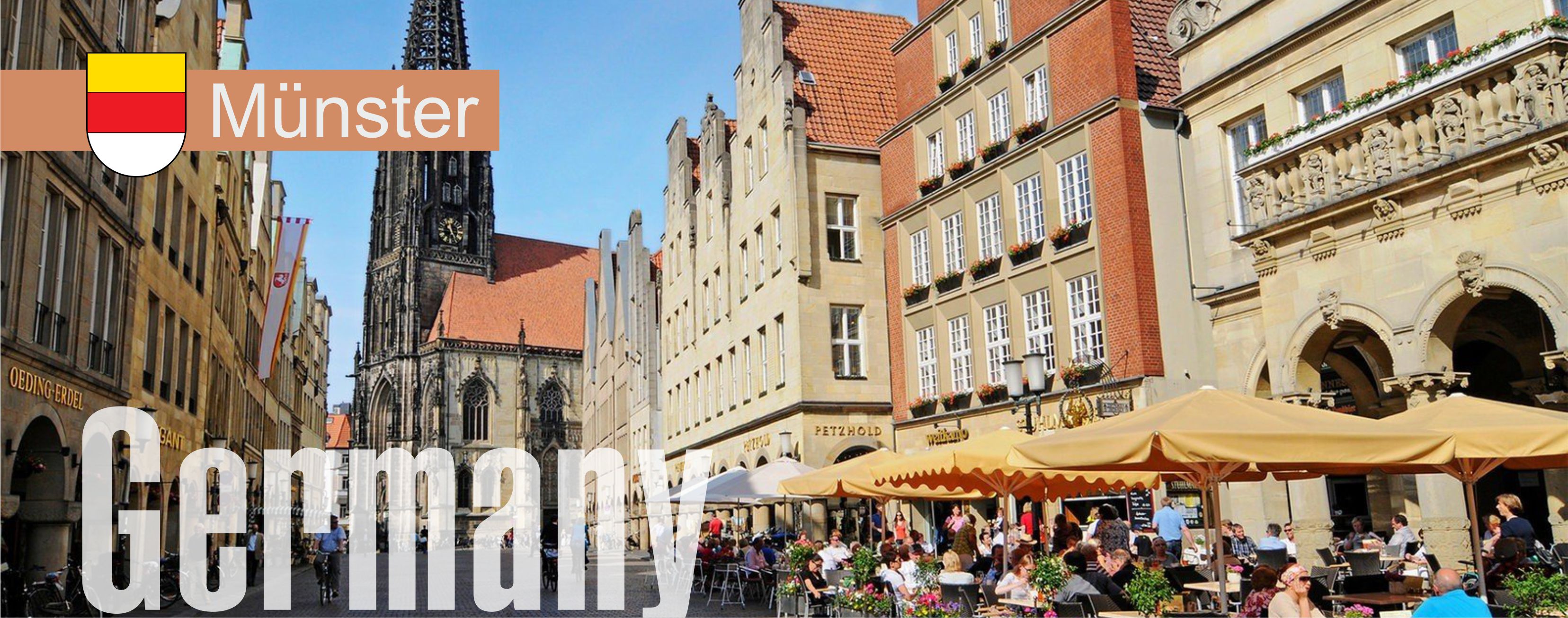
Name: Münster
Country: Germany
Date of signing the agreement: 9.03.2023
Type of agreement: agreement on solidarity partnership
Website: stadt-muenster.de
Münster is the capital of North Rhine-Westphalia, founded in 793 by Charlemagne. The name of the city comes from the word "monastery". In 805, Munster was founded as a bishopric, and in 1168 it was granted city rights. In the Middle Ages, it was a member of the Hanseatic League, becoming a rich trading city. From the very beginning of its existence, Munster was perceived as the central city of North Rhine-Westphalia, and in 1816 it became its capital.
Münster offers many interesting places to see. Start your tour at St. Paul's Cathedral. This is the main church of Munster, a very valuable work of late Romanesque and Gothic architecture in western Germany. Despite serious war damage, it survived, preserving a beautiful astronomical clock and huge pipe organs.
Another must-see attraction is the town hall, which is famous for the signing of the historic treaty ending the Thirty Years' War. It was here that the Peace of Westphalia was signed in 1648, after 5 years of negotiations. For the first time in modern Europe, it was not combat that decided to lay down their arms, but talks. Fearing an attack, the heavily fortified Münster (two moats and double defensive walls) was chosen as the place of negotiations, as it was considered a city that was extremely difficult to conquer. A hundred years ago, a cartographer drawing a map of Münster scaled its defensive walls to make them seem insurmountable. For centuries, not only has no one overcome the city, but no one has even tried to do so. There were legends all over Europe that it was a real fortress.
The main street of the city used to be Prinzipalmarkt. It was bombed during the Second World War, but unlike other places where ruins gave way to concrete blocks, the buildings have been restored, some according to original plans and some simply inspired by the old architecture. It is here that there are beautiful apartment buildings with gabled roofs and impressive-looking columns.
The color of Münster is different from other cities in the region, as the houses were built of sandstone instead of brick. In the Prinzipalmarkt, all shops have modest brass signs, and this is mandatory for all services. This also applies to holiday decorations. Those in the arcades of the townhouses are identical. Florists arrange flowers in yellow, white, and red on the lawns, which corresponds to the colors of the city. Gold (yellow) is the color of the bishop, silver (white) is the color of the bourgeoisie, and red is the symbol of the legislative power held by both groups.
Münster is known for its numerous churches located in different parts of the city. The most popular of them, along with the cathedral, are St. Lamberti and Clemenskirche. St. Lamberti, referring to its namesake from the French city of Liège, is the most important church of late Westphalian Gothic. A feature worth paying attention to when visiting Münster is the three iron cages attached to the church tower. In 1536, they contained the bodies of three leaders of the Anabaptist movement, who were tortured before their deaths and then executed on the square in front of the church.
There are also many museums in Münster, such as the Picasso Museum, the Westphalian Museum of Nature with a planetarium by the lake, the old mill, the Westphalian Museum of Culture and Art. About 3 kilometers from the Old Town Hall and St. Paul's Cathedral, perhaps the most beautiful place in Münster is the administrative building of the Westphalian Wilhelm University (called "palace" in guidebooks), surrounded by a park with a botanical garden. Walking along the promenade from the Westphalian Wilhelm University, we reach another picturesque place: Aasi, a lake in the city center. The Mühlenhof-Freilichtmuseum Münster, a small open-air museum, the Allwetterzoo Münster zoo, and the Museum für Naturkunde mit Planetarium were created near the lake. These are ideal places to relax.
Münster is a city of bicycles, which gives it a unique atmosphere. All sidewalks outside of residential areas have a red brick section for cyclists only. The entire city is surrounded by pedestrian/bicycle paths. They lead, among other things, to the lake or water canal. Along the canal you can admire the post-industrial promenade, and in the summer evenings you can sit in one of the cafes or restaurants. Art exhibitions are held in the neighboring halls. The Rolling Stones played their first concert in Germany at the local Halle Munsterland. Münster could successfully compete with Amsterdam - there are reportedly twice as many two-wheelers as residents.
It is also a city of young people - thousands of students come here every year to study at universities. It is home to Germany's third largest university, with about 50,000 young people enrolled.
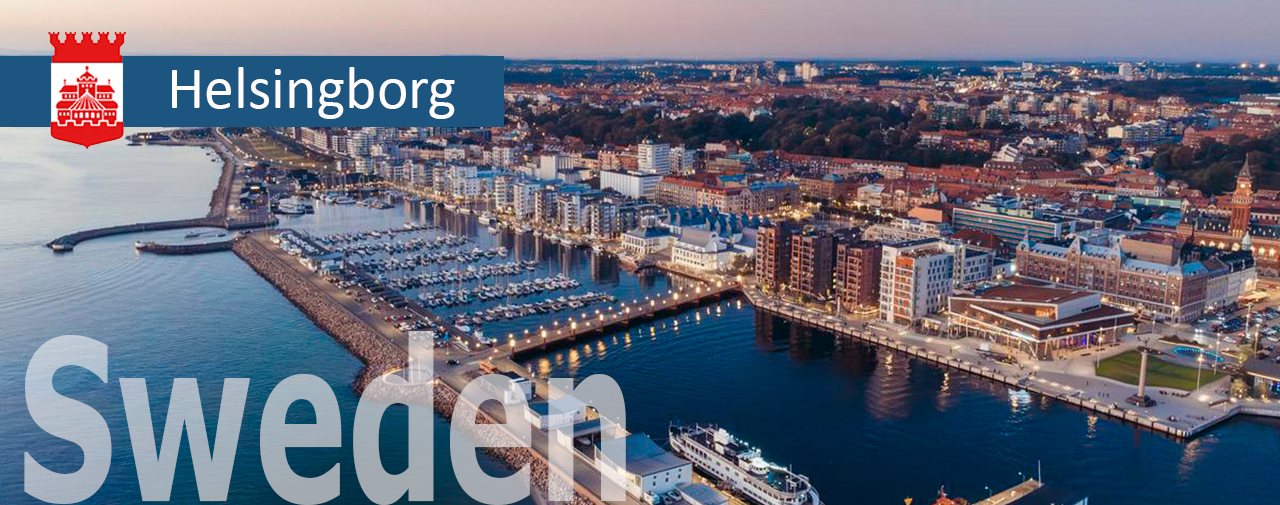
Name: Helsingborg
Country: Sweden
Date of signing the agreement: 16.04.2026
Type of agreement: partnership agreement
Website: helsingborg.se
Helsingborg is situated in southern Sweden, in the county of Skåne, on the coast of the Öresund strait, opposite the Danish town of Helsingør. The distance between the towns is approximately 4 km, and they are linked by a busy ferry service.
The city is an important transport hub between Scandinavia and continental Europe.
Population: around 150–155,000 people (more including the wider urban area). The city is characterised by a high level of multiculturalism and integration programmes.
Helsingborg is one of the key economic hubs in southern Sweden. Ports and logistics – it is home to one of the country’s largest ports; industry – food, chemicals and packaging; trade and retail — IKEA has one of its key offices here; innovation and sustainable development — the city actively invests in ‘smart’ and eco-friendly solutions (energy, waste management, water technologies).
The city was founded over 1,000 years ago (1085) as a strategic port city. In the Middle Ages, it was an important commercial and military centre of Denmark. In 1658, following the Treaty of Roskilde, the city passed to Sweden. Due to its strategic location, it repeatedly became the scene of wars between Denmark and Sweden. In the 19th and 20th centuries, it industrialised rapidly and transformed into a modern city.
The city is home to the medieval fortress tower of Kärnan – the symbol of Helsingborg. The city is one of the oldest ports in Northern Europe. It has an ambitious development strategy: to become one of the most innovative and sustainable cities in Europe. It has close ties with Denmark — in fact, it forms a cross-border conurbation with Helsingør. It is renowned for its high quality of life, environmental policy and digital solutions in city management.
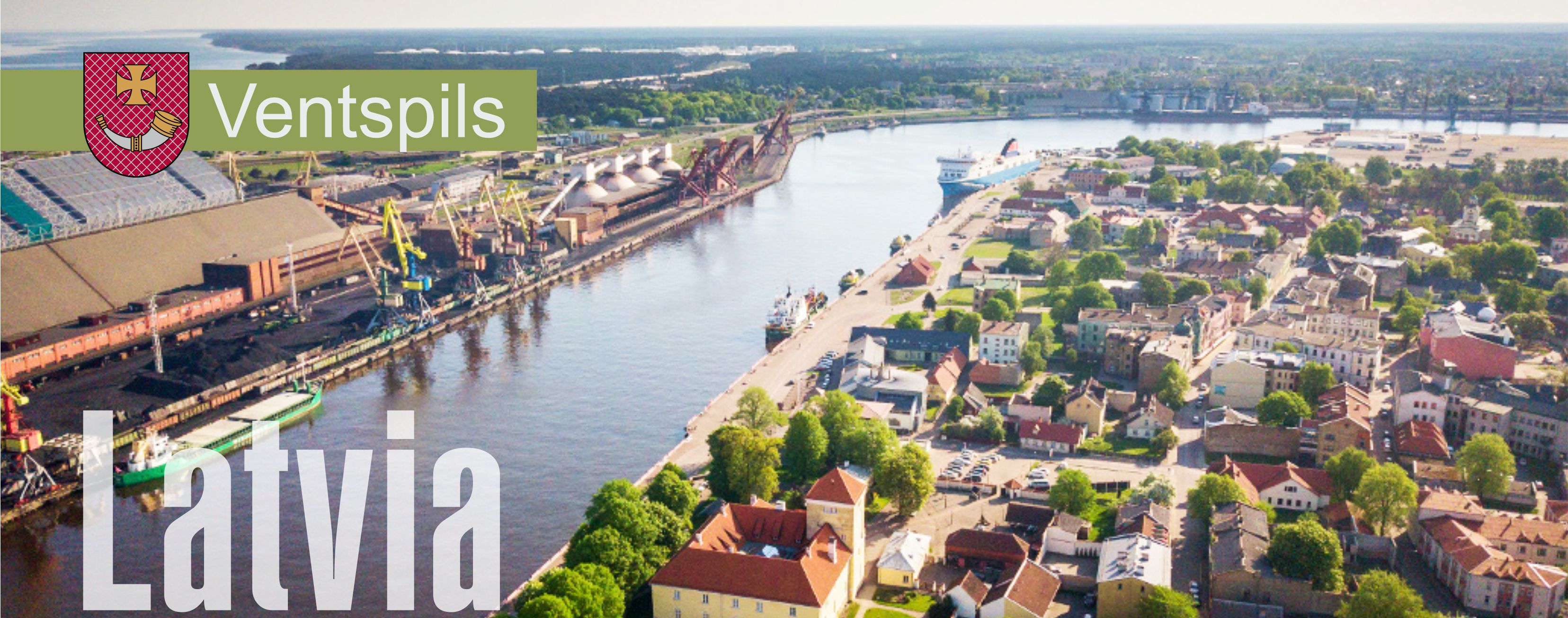
Name: Ventspils
Country: Latvia
Date of signing the agreement: 14.09.2022
Type of agreement: commonwealth agreement
Website: ventspils.lv
Ventspils is one of the oldest cities in Latvia. The beginnings of its formation are associated with the construction of the castle of the Livonian Order, which was first mentioned in historical documents in 1290.
Since the regaining of Latvia's national independence (1991), significant political and economic changes have been taking place, and rapid development of Ventspils city and port can be observed. During this time, Ventspils is gradually taking an increasingly important place among Latvian cities: the urban environment is changing rapidly, Ventspils has become not only a developed transit trade, but also a popular tourist destination, attracting interest both with historical and architectural objects, as well as with sports institutions, various attractions, and a clean beach. Foreign investments are successfully attracted, new companies are also formed on their basis.
Many of the city's historical objects, including residential buildings, have now been restored and are open to visitors.
Ventspils is a city that does not leave anyone indifferent. It's like a small country within a country. To enjoy the breath of Europe, you don't have to go outside of Latvia - you will find it all in Ventspils, where even the time counts differently and flowers, defying the rhythm determined by nature, bloom on the city streets earlier than elsewhere in Latvia, and the enjoyer of a leisurely and carefree leisure wanders through the city streets, heels clicking against pavements. Ventspils is the capital of flowers and fountains, colorful cows can be found in its streets and even climb poles, streets, parks, squares and courtyards are decorated with flower sculptures, figurative flower formations and tasteful flower beds that do not wither even on the hottest summer days.
The combination of words "it's impossible" is foreign in Ventspils, and creative approaches are even found to problems. For example, an artificial ski hill was created from the ground excavated during street construction. Spring, summer, autumn or winter - in Ventspils everyone finds something for themselves: the attractive and active will like the Adventure Park, Mazbānītis, children's towns - for families with children, Ventspils' wide Blue Flag beach and dunes, where you can sunbathe even when the thermometer shows only 15° C, the enjoyment of the Water Adventure Park and SPA complex, looking at the stars in the observatory equipped with a modern telescope and the most modern digital planetarium in the Baltics and the only one in Latvia... Ventspils offers all this and much more.
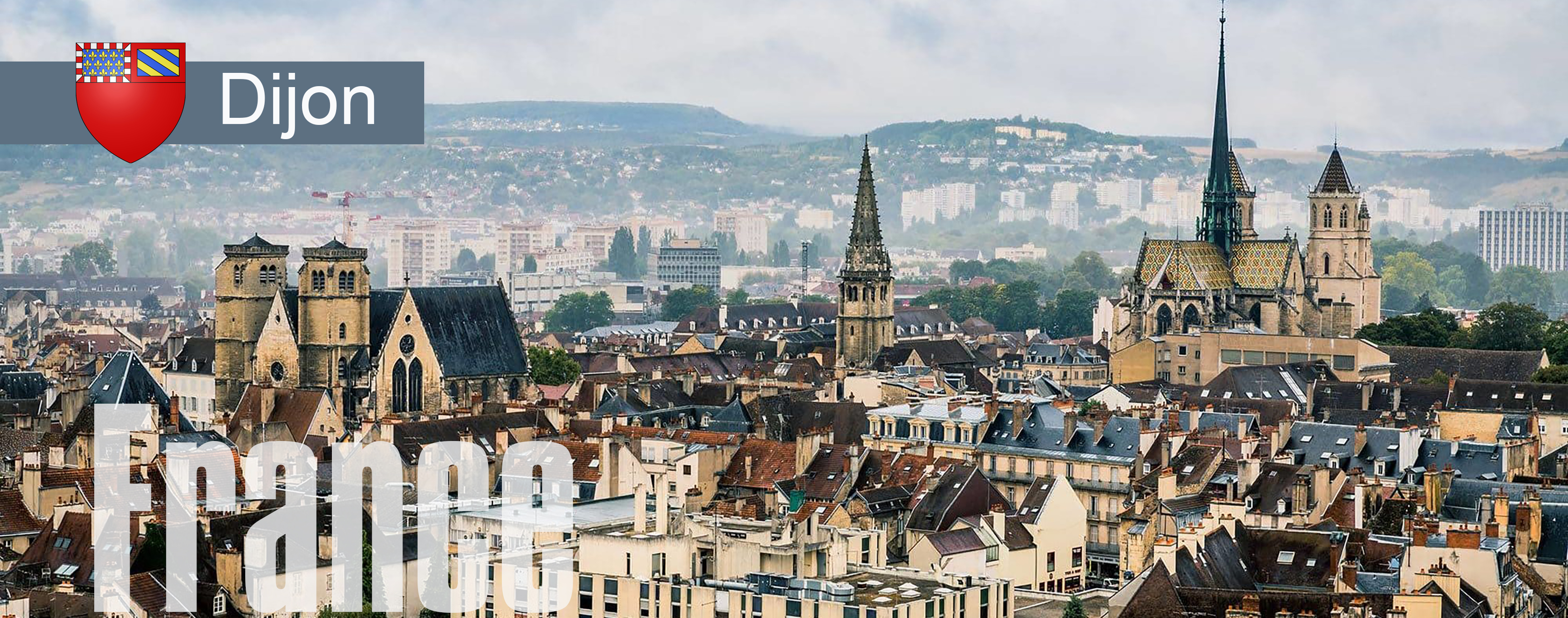
Name: Dijon
Country: France
Date of signing the agreement: 13.05.2025
Type of agreement: memorandum of cooperation
Website: dijon.fr
Dijon is a city and municipality in France, the administrative centre of the Bourgogne-Franche-Comté region and the Côte d'Or department. The population of the Dijon metropolitan area reaches 250,000 people. The city is located 326 km from Paris in the southeastern part of France.
The city of Dijon was founded by the Roman Empire in the 6th century BC, which later became a post on the trade route from Albion to the Adriatic. The most important and valuable attraction for the locals is the Palace of the Dukes of Burgundy. Notre Dame Church is the most prominent in Dijon. It has a facade in the Italian style. Until the 12th century it was the Chapel of the Virgin Mary, in the 12th century it was destroyed and rebuilt in the Romanesque style.
There are 15 universities in Dijon: the University of Burgundy, the National School of Arts, medical and pharmaceutical schools, a theological seminary, and a seminary for teachers. There are various scientific societies, a library with 80,000 volumes and 900 manuscripts, a botanical garden, an observatory, etc.
Dijon is the centre of Burgundy, which is considered to be the most famous wine region. It is the birthplace of exquisite Dijon mustard. The largest enterprises are the Groupe SEB metallurgical plant, pharmaceutical companies Sanofi, Urgo and Groupe Fournier, optical companies Essilor, SAGEM and Nachet, Nestle chocolate factory, and Tetra Pak packaging plant. Dijon has electrical, mechanical and chemical plants; it also has a well-developed production of auto components, wool and cotton fabrics, leather, cooperage and wax products, and wallpaper. Winemaking, horticulture, floriculture, trade in wine and other local products are also developed.
In 2012, the city opened a modern tram network of approximately 20 km.
In 2019, the Dijon district launched a unique Smart City project, which provides for centralised remote management of municipal services for all 23 communes in the district from a single ‘connected’ centre. The project aims to: simplify and better coordinate the work of municipal services in such areas as removing mechanical obstacles on the roads, operating the road transport network, landscaping, and cleaning; remotely control municipal equipment in 23 municipalities in the region: traffic lights, street lamps, video surveillance systems, and road services; and ensure the protection of law and order and the safety of public space: in case of snowfall and floods, security of municipal buildings (fire protection, unauthorised entry, access control systems), as well as video surveillance and coordination of municipal police; organise residents by coordinating the work of various modes of transport throughout the territory; analyse about 630 daily phone calls received by the unified telephone service to help residents of the region. Over 12 years, the project is expected to deliver energy savings of up to 65%.
In 2021, the Dijon metropolitan area launched the OnDijon mobile app, which is free to download to keep up to date. Library or swimming pool opening times, school restaurant menus, registration for sporting events, making an appointment to receive an identity card, the ability to report an incident in a public space, such as litter or damage... Staff deal with an average of 500 reports per month.
Among French cities, Dijon is one of the first in terms of the number of sister cities. Such great people as Philip the Good, John the Fearless and Charlemagne were born here. It is also impossible not to mention the creator of the modern symbol of the whole of France, the Eiffel Tower, architect Gustave Eiffel.
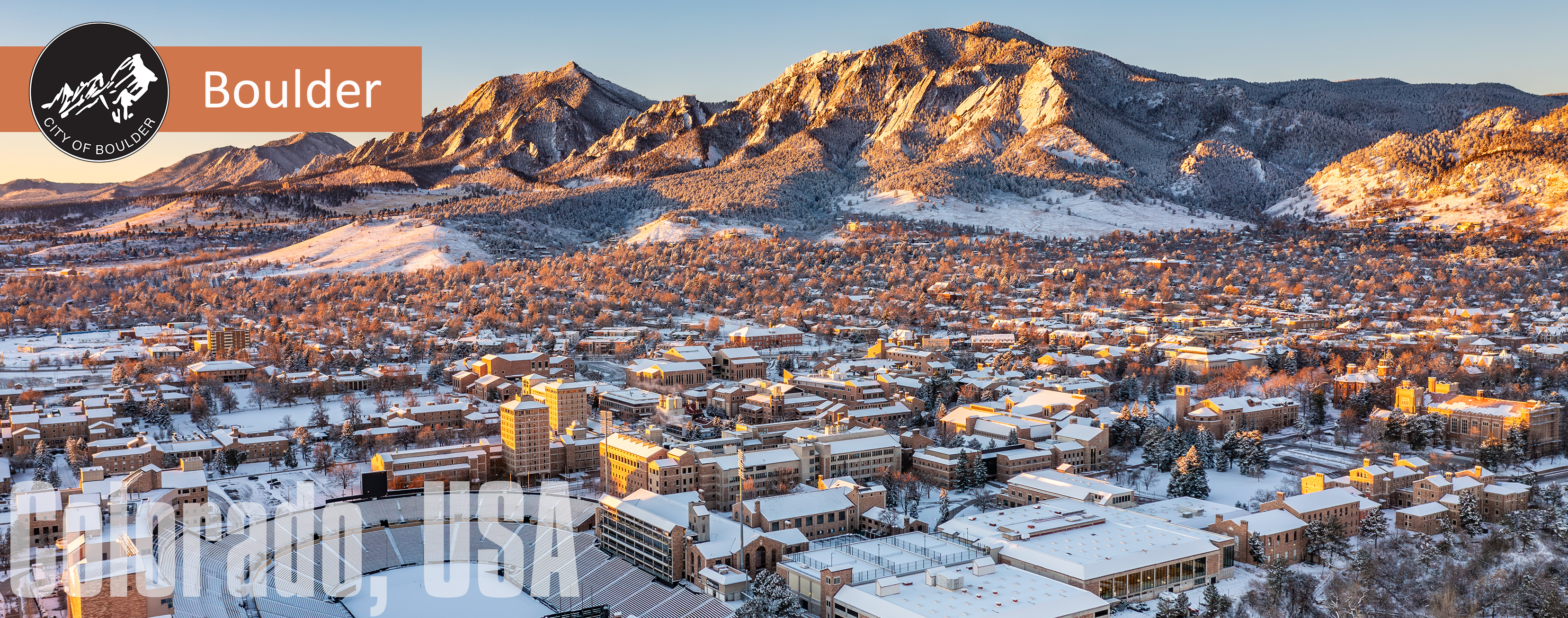
Name: Boulder
Country: United States of America
Date of signing the agreement: 22.04.2026
Type of agreement: declaration of intent for partnership cooperation
Website: bouldercolorado.gov
Boulder is a city in the state of Colorado, situated at the foot of the Rocky Mountains, approximately a 30-minute drive west of Denver. It is the county seat of Boulder County and a key part of the Denver–Boulder metropolitan area.
Founded in 1859, during the ‘gold rush’ in the American West. Population: over 108,000 (as of 2024–2025). Location: in a valley at the foot of the Rocky Mountains, known to all as the ‘Flatirons’. These are iconic triangular rock formations made of reddish sandstone, which got their name due to their resemblance to irons. It is a popular spot for rock climbing and hiking, a symbol of the city and the spirit of adventure. The complex comprises five main peaks (First–Fifth) and many others, which form the distinctive landscape on the slopes of Green Mountain. This is where the city’s name comes from: boulder – a large rock.
Boulder is a ‘city for the active’: it offers excellent conditions for hiking, cycling, rock climbing and other outdoor activities. Tourist routes: hundreds of miles of walking and cycling trails through the mountains and valleys.
Boulder has one of the highest proportions of people with higher education in the US: a significant proportion of the population holds a bachelor’s degree or higher. It is a young, dynamic city with high incomes, but also a high cost of living — the issue of housing affordability is frequently discussed by the local community.
Boulder combines a university environment, science and entrepreneurship. Research centres: the National Centre for Atmospheric Research (NCAR), parts of the National Institute of Standards and Technology (NIST) and others. Key sectors: technology, aerospace, biotechnology, natural and organic products, tourism and culture. Boulder is often cited as a hub for start-ups and innovation, with a high concentration of new businesses and entrepreneurial activity. It is one of the most innovative cities in the US with a vibrant business environment.
The level of education influences the city’s cultural life, economy and innovative climate. The University of Colorado Boulder, founded in 1876, is a leading research university in the Rocky Mountain region. It offers programmes ranging from the humanities to high technology and the natural sciences, and is actively involved in scientific research. CU-Boulder is a vital part of the city’s intellectual and innovative potential.
Boulder is a major economic hub for technology, manufacturing and start-ups. Key sectors include biotechnology, aviation and aerospace, IT and professional services, environmental and ‘green’ technologies, and creative and natural products. The city is also known for its strong start-up and venture capital sector, supported by the university and private entrepreneurs.
Boulder is not just a university town — it is also home to a number of international corporations and key offices of global brands, including:
- IBM – one of the world’s leading IT companies, has an office in Boulder where technical and IT specialists are based.
- Google – has a presence in the region (offices/technology operations).
- Amazon, Apple, Cisco, Oracle, Qualcomm, Microsoft/Bing – the presence of these companies has been noted within the context of the wider regional business ecosystem (some have offices or projects near Boulder).
Boulder regularly features in rankings of the best cities to live in thanks to its cycling and walking facilities; proximity to mountain trails and nature parks; and high standards of healthy living. The city hosts a variety of events — from marathons and running competitions to music and festival events.
In 2027, Boulder is set to host one of the most famous film festivals, the Sundance Film Festival — a major cultural event that attracts thousands of people annually and supports independent cinema. Boulder has a vibrant arts community, featuring theatres, museums, galleries and festivals (musical, literary and cultural).
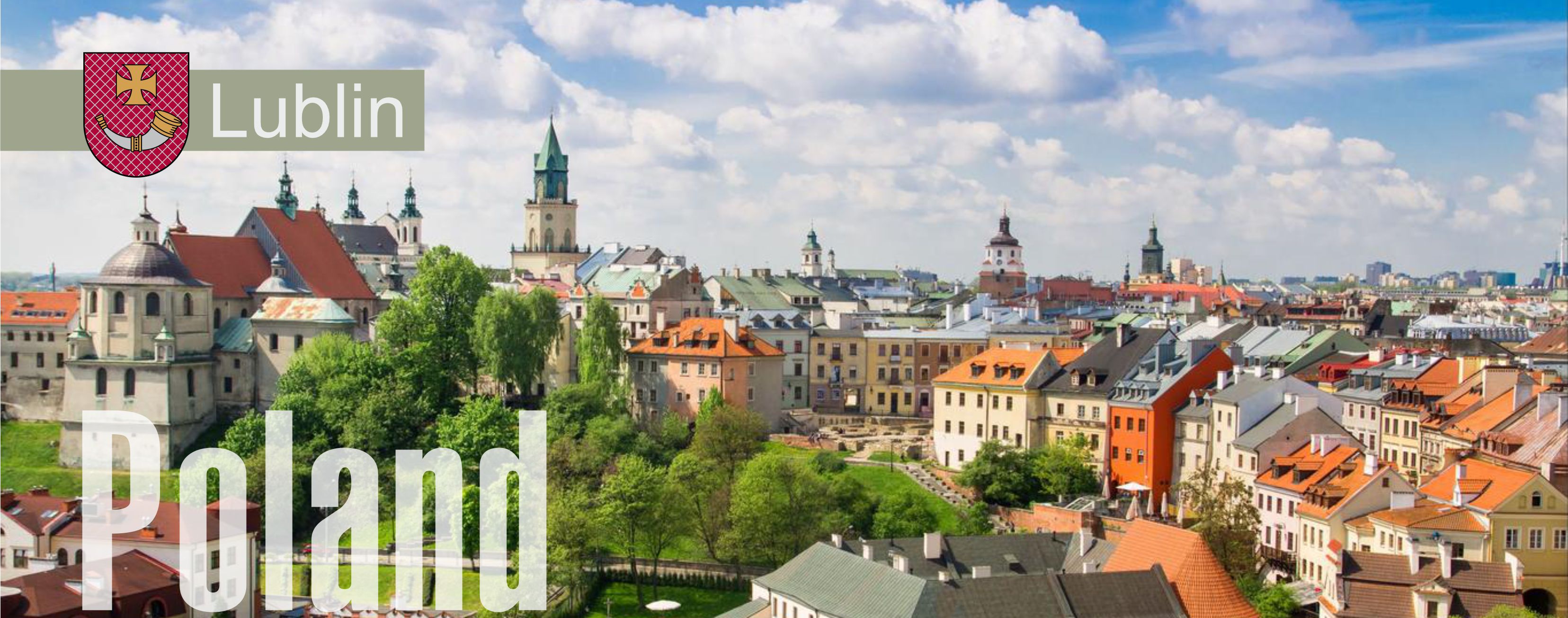
Name: Lublin
Country: Poland
Date of signing the agreement: 8.10.2013
Type of agreement: protocol of intent to implement joint projects
Website: lublin.eu
Lublin, also known as the capital of eastern Poland, is the largest and fastest growing city on the right bank of the Vistula River. As the capital of the Lubelskie Voivodeship, it serves as the administrative, economic, and cultural center of the region. The rich seven-century history of Lublin, as well as its location in a multicultural environment, determine its special qualities. This magical place attracts attention with its unique climate, magnificent architecture, and countless monuments.
Lublin is a city of inspiration, where awareness of history inspires the future. It hosts well-known international cultural and artistic events, theater and music festivals, as well as contemporary art. Local theaters, galleries, and student clubs also guarantee high quality cultural offerings. Organized concerts, performances, festivals, and exhibitions enliven the streets of Lublin. Among the most famous cultural events are the Carnival of Magicians, the Other Sounds Festival, the Night of Culture, the Jagiellonian Fair, the Neighbors Festival of Central European Theaters, the Konfrontacje Teatralne Festival, or the European Taste Festival.
Lublin is one of the cities with the highest dynamics of investment processes. The launch of the Lublin airport, the construction of a ring road with access roads or the modernization of the city's public transport system significantly contributes to the development of infrastructure and the creation of favorable conditions for investment, as a result of which Lublin is strengthening its position on the map not only of Poland but also of Europe.
Lublin is one of the most important and most prosperous academic centers in Poland. It encourages studying with a variety of possible fields of study, excellent teaching staff, and support for students, including scholarships and awards. More than 70,000 people study in public universities, which are well known to everyone, and in private higher education institutions, which are just gaining prestige, and not only from Poland.
Lublin is the undisputed leader in Poland in terms of cooperation with Eastern partners. This applies to official contacts at the level of authorities and administrations, as well as direct ties between many institutions, companies, and non-governmental organizations. These activities are related to various spheres of public life, including initiatives for the development of civil society, local governance, as well as projects in the field of culture and science.

Name: Peterborough
Country: United Kingdom
Date of signing the agreement: 1991
Type of agreement: twinning agreement
Website: peterborough.gov.uk
Peterborough is a cathedral city and unitary authority area in the East of England, with a population of about 180 thousand. For ceremonial purposes it is in the county of Cambridgeshire. The city is situated on the River Nene, which flows into the North Sea.
Present-day Peterborough is merely the latest in a series of settlements which have at one time or other benefited from the site where the Nene leaves permanently drained land for the Fens. Remains of Bronze Age settlement and what is thought to be religious activity can be seen at the Flag Fen archaeological site to the east of the city centre. The Romans established the fortified garrison town of Durobrivae on Ermine Street to the west of the current city around AD 43. This was first mentioned in the Antonine Itinerary of the late second century.
The Cathedral Church of Saint Peter, Saint Paul and Saint Andrew, whose statues look down from the three high gables of the West Front, was originally founded as a monastery in AD 655 and re-built in its present form between 1118 and 1238. It has been the seat of the Bishop of Peterborough since the Diocese was created in 1541. Peterborough Cathedral is known for its imposing early English Gothic West Front which, with its three enormous arches, is without architectural precedent and with no direct successor. The Cathedral has the distinction of having had two queens buried beneath its paving, Katherine of Aragon and Mary, Queen of Scots. The remains of Queen Mary were later removed to Westminster Abbey by her son James I when he became King of England.

Name: Birmingham
Country: Alabama, USA
Date of signing the agreement: 10.03.2003
Type of agreement: twinning agreement
Website: birminghamal.gov
The City of Birmingham, Alabama, is a municipal corporation under the laws of the State of Alabama. Birmingham is the largest city in the state with a population currently estimated at 242 thousand and a metro population of more that one million.
Nestled at the foothills of the Appalachian Mountains at the cross-section of two major railroads, the city was once the primary industrial center of the southern United States. At the height of the nation's manufacturing age, the city grew so fast in population, it was called the "Magic City". Today, Birmingham has transformed itself into a medical research, banking and service-based economy, making it one of the nation's most livable cities with a vibrant downtown, a burgeoning loft community, a world-class culinary scene and more green space per capita than any other city in the nation.
Birmingham also boasts 99 historic neighborhoods and is often referred to as the cradle of the American Civil Rights Movement.
Largest employers: University of Alabama at Birmingham, Baptist Medical Centers, BellSouth Jefferson County Public Schools.
Birmingham, the county seat, is one of 33 separately incorporated municipalities in Jefferson County. The City has a mayor/council form of government with a general fund annual budget of approximately $300 million.

Name: Bursa
Country: Turkey
Date of signing the agreement: April 2004
Type of agreement: twinning agreement
Website: bursa.bel.tr
Bursa (historically also known as Prussa, and later as Brusa) is a city in northwestern Turkey and the seat of Bursa Province. With a population of 1,5 million, it is Turkey's fourth largest city, as well as one of the most industrialized and culturally charged metropolitan centers in the country.
The city is frequently cited as "Yeşil Bursa" (meaning "Green Bursa") in a reference to the beautiful parks and gardens located across its urban tissue, as well as to the vast forests in rich variety that extend in its surrounding region. The city is synonymous with the mountain Uludağ which towers behind the city core and which is also a famous ski resort. The mausoleums of early Ottoman sultans are located in Bursa and the numerous edifices built throughout the Ottoman period constitute the city's main landmarks. The surrounding fertile plain, its thermal baths, several interesting museums, notably a rich museum of archaeology, and a rather orderly urban growth are further principal elements that complete Bursa's overall picture.
Bursa is the toe of Turkey's automobile industry. FIAT and Renault have for decades had important production units in Bursa. The textile and food industries are equally strong, and Coca Cola, Pepsi Cola, and other beverages brands, as well as fresh and canned food industries are present in the city's organized industrial zones.
Traditionally, Bursa was famous for its fertile soil and agricultural activities, both of which are decreasing due to the heavy industrialization of the city.
Bursa is also a major tourist center: One of the best ski resorts of Turkey is located at Uludağ just next to city proper. Its thermal baths have been used for therapeutical purposes since Roman times. Apart from baths operated by hotels, Uludağ University has a physical therapy center which also makes use of thermal water.

Name: Bat Yam
Country: Israel
Date of signing the agreement: 11.10.2012
Type of agreement: twinning agreement
Bat Yam is a popular tourist resort, located on the Mediterranean coast of Israel, part of the Greater Tel Aviv.
Bat Yam was founded in 1926 as a suburban quarter Bayit Va-Gan, which in Hebrew means “House and Garden.” During the riots in 1929 Bat Yam was attacked by Palestinian fighters from Jaffa and was evacuated by the British authorities. In 1930, the town was settled, and in 1936, granted the status of the Local Council, an administrative unit similar to the city.
In the first years after the establishment of the State of Israel Bat Yam experienced a period of rapid growth, caused by mass immigration, and in 1958 was granted city status. Its further development was at the beginning of 1980 – the end of the 1990s and was caused by the second mass immigration of Jews from the former Soviet Union and Ethiopia. Currently in Bat Yam there is quite a large Arab community and home to the vast majority of Vietnamese Israelis or Vietnamese of Israeli origin.
Bat Yam is located in 20 minutes of drive from the center of Tel Aviv. Along the famous promenade, which the British once called the Riviera, modern hotels overlooking the Mediterranean Sea. Close to the waterfront, there is a city park, and the very coast of Bat Yam covers more than 3 km and is divided into several beaches. The Stone beach is regarded one of the best, and its main feature is the breakwater.
Annually Bat Yam holds all sorts of Biennale of urban architecture, and each summer hosts the International festival of street theater. The Exhibition Gallery “Riviera,” built on the ruins of the club, is located directly on the beach. Works of artists from around the world are placed here.
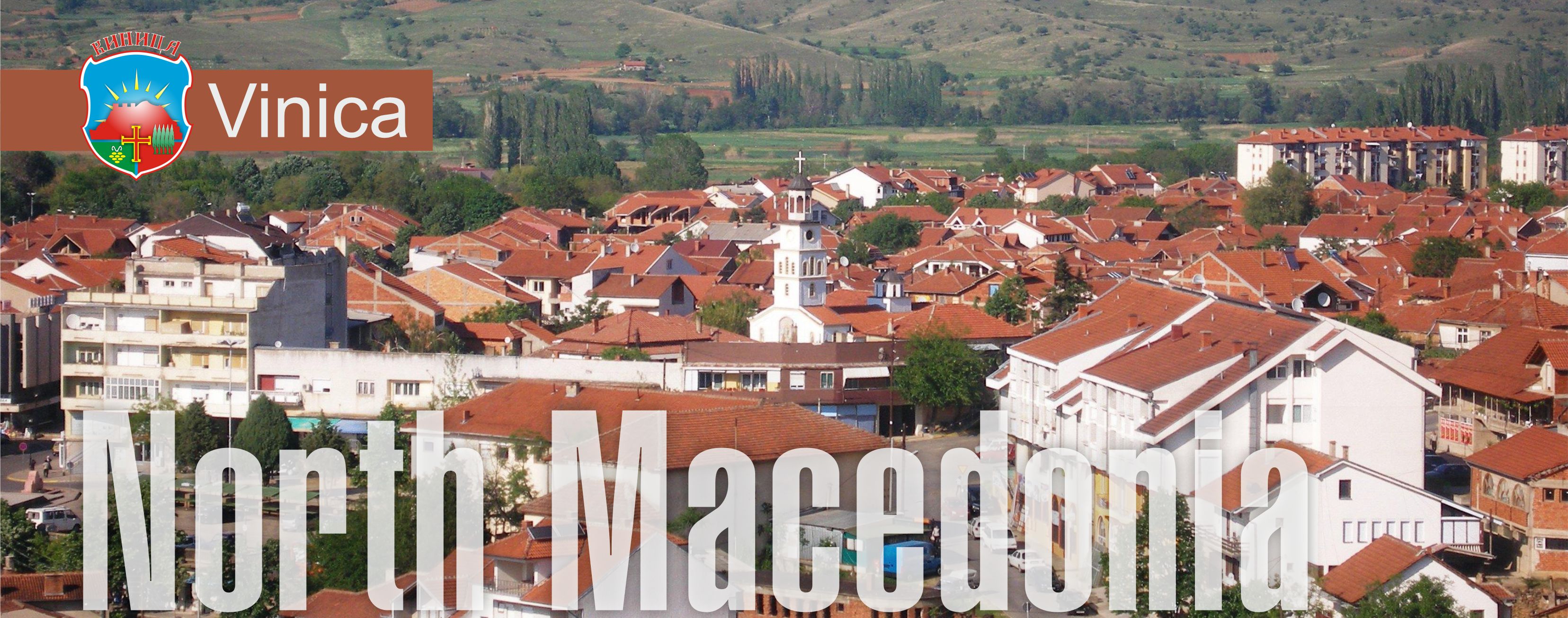
Name: Vinica
Country: North Macedonia
Date of signing the agreement: 18.05.2013
Type of agreement: protocol of intent to establish friendly relations, exchange and cooperation
Website: vinica.gov.mk
Vinnytsia and the North Macedonian city of Vinica signed a protocol of intent to establish friendly relations, exchange, and cooperation. Vinica is a small city in North Macedonia with a population of about 10 thousand people, located in the east of the country. According to the protocol, the parties agree that, on the basis of equality, in order to jointly promote friendly exchange in various fields, to engage in broad cooperation, it is necessary to create all conditions for signing a formal agreement on establishing friendly relations, exchange and cooperation between the two cities in the near future.
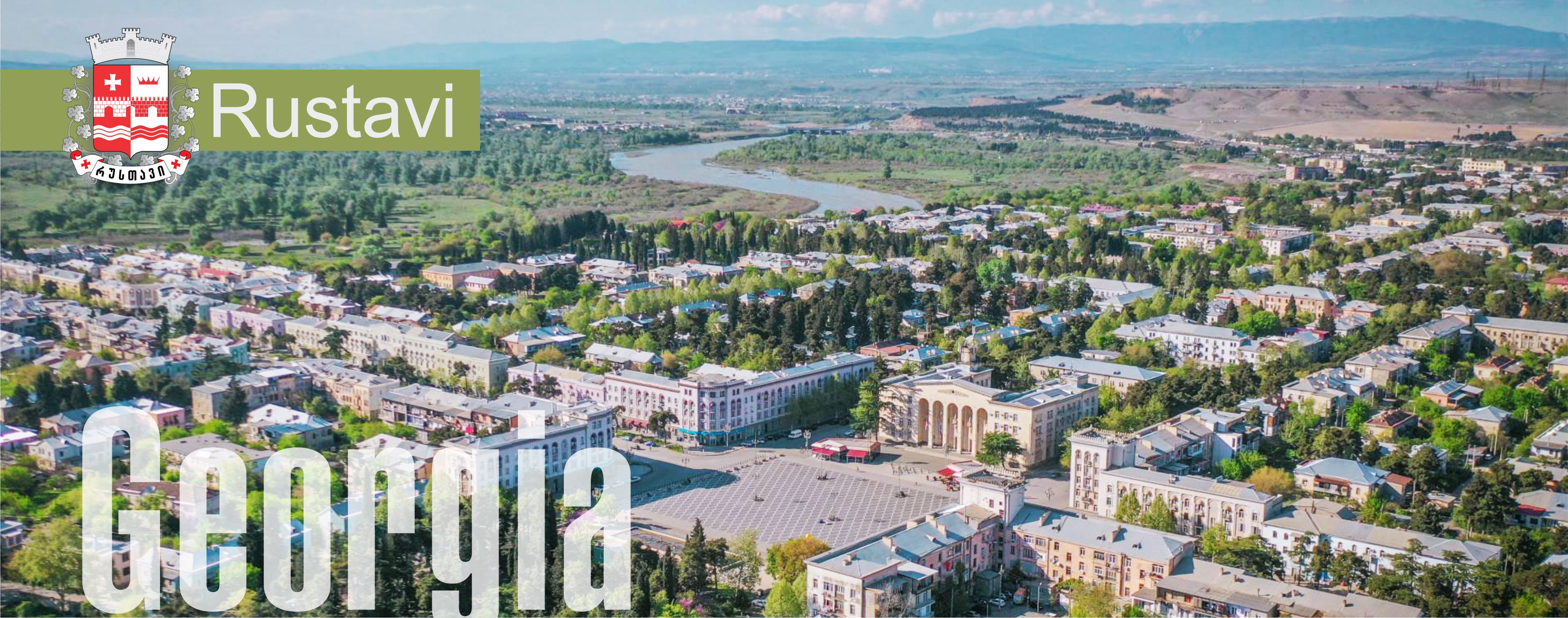
Name: Rustavi
Country: Georgia
Date of signing the agreement: 17.09.2016
Type of agreement: memorandum of cooperation
Website: rustavi.gov.ge
Rustavi is a city and municipality in Eastern Georgia, Kvemo Kartli region. Rustavi is one of the oldest cities in Georgia.
In the XII-XIII centuries, the city was at a high level of development, with various crafts flourishing: ceramics, glass, metal, leather, wood, and textiles. As a result of the Mongol invasion in 1265, Rustavi ceased to exist. After the devastating campaign, only the ruins of the Rustavi fortress survived. It is the only fortress in Georgia where samples of frescoes have been found.
Rustavi existed in ruins until the twentieth century. In 1944, construction of a huge metallurgical plant began on the territory of the historic settlement. At the same time, the foundation for the city was laid. Rustavi is the main industrial city in Georgia after Tbilisi. The city's main attraction is Rustavi Park, the best place for recreation and a space for basketball, football and volleyball, a skate park, a wooden decorative gazebo, picnic areas, fountains, and a bicycle path.
The Rustavi Historical Museum houses exhibits dating back to the eighth century. Every year, the city organizes the Rustavtalakoba folk festival.